E-Commerce & Retail
Retail and e-commerce logistics needs fast replenishment.
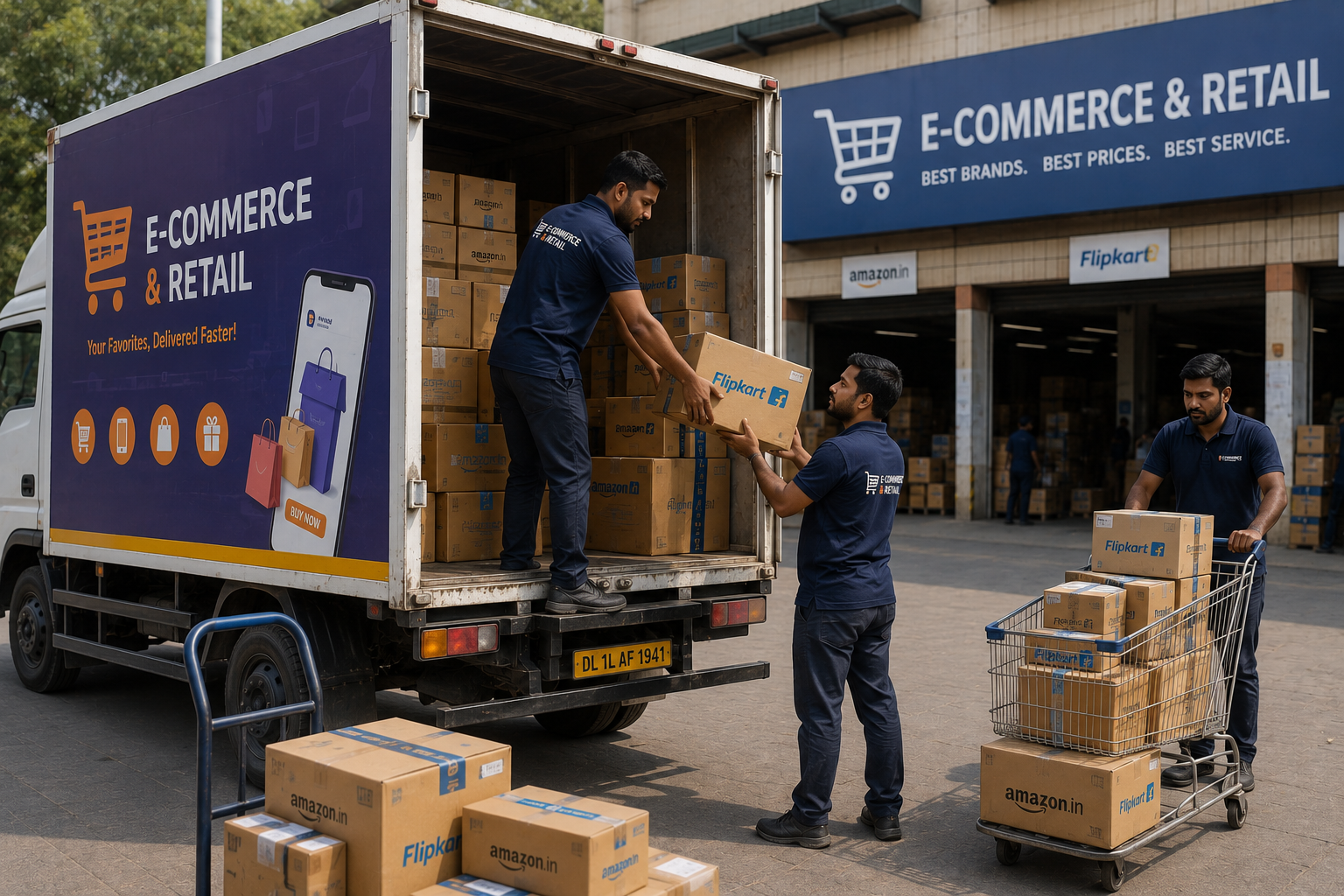
Movement designed for changing demand
Retail supply chains move in waves: store replenishment, online orders, promotional pushes, reverse logistics, and seasonal peaks. The transport plan must adapt without becoming chaotic.
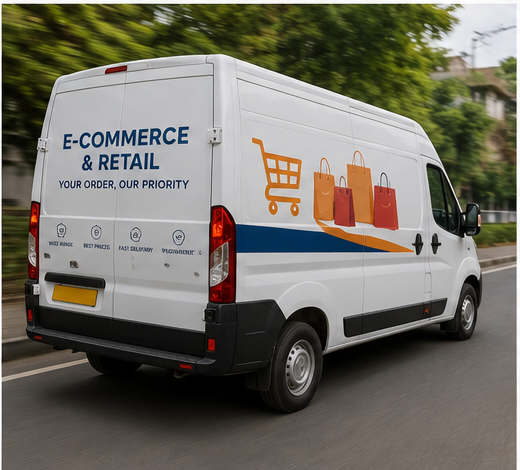
Vyanex supports retail and e-commerce customers through PTL consolidation, dedicated FTL for bulk replenishment, reverse movement, and dispatch planning around customer promise windows.
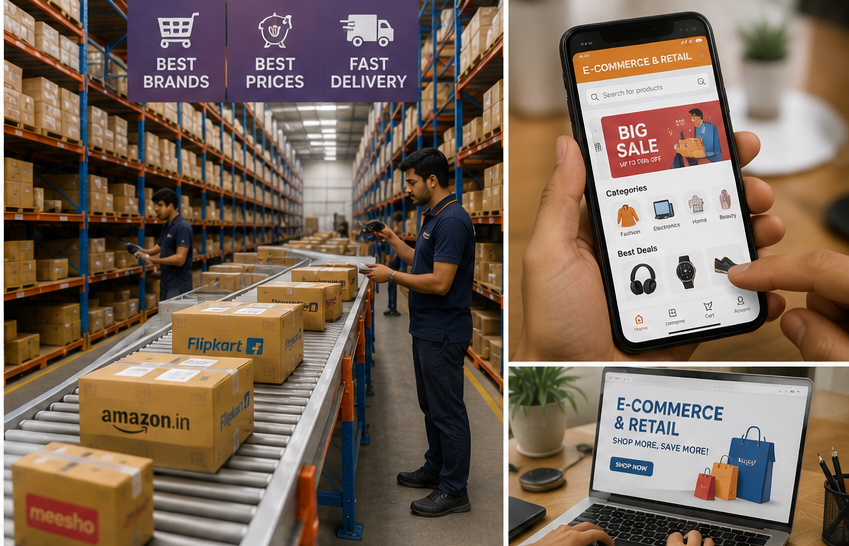
Behind every order is a chain of handoffs — warehouse pick, middle-mile transit, store or hub receiving, last-mile delivery, and often a return leg. Retail brands need each of those handoffs to be predictable even when order volumes swing sharply between an ordinary Tuesday and a festive sale weekend. That means pre-agreed capacity, route plans that already account for peak-season detours, and a dispatch team that treats promise windows as commitments, not estimates.
Scheduled deliveries to warehouses, stores, distribution points, and dealer networks.
Middle-mile and hub-to-hub movement for online retail flows.
Returns, refurbishment, replacement, and redistribution routed through controlled lanes.
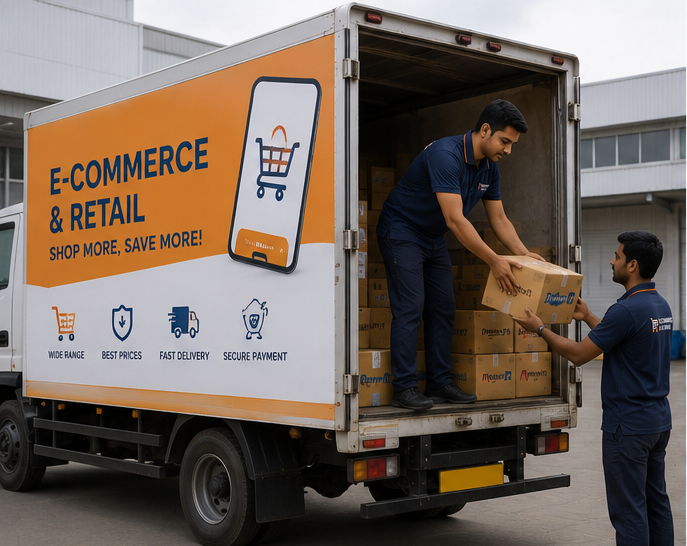
Speed, flexibility, and control
Retail and e-commerce movement support
Planned route deliveries to stores, regional warehouses, and market clusters.
Hub-to-hub movement for marketplace, D2C, and retail distribution flows.
FTL and PTL capacity for launches, festive demand, and promotional inventory.
Reverse movement for customer returns, warranty goods, and unsold seasonal stock.
Coordination with mall, store, warehouse, and marketplace receiving schedules.
Documentation and shipment identification that support SKU-level operational control.
Warehouses, routes, and the last mile
Retail & e-commerce, answered
Capacity is planned ahead of known peak windows — festive sales, new launches, seasonal clearance — with flexible FTL and PTL allocation so a surge in orders doesn't stall replenishment or delivery promises.
Yes. Reverse logistics runs on its own controlled lanes so returned, refurbished, or unsold stock is routed back to inspection and redistribution points without disrupting forward delivery schedules.
Every shipment carries SKU-level documentation and identification, so stores, hubs, and warehouses can track receiving windows and reconcile stock without manual follow-up.