
Manufacturing & Engineering
Manufacturing logistics demands synchronized transport.
Transport aligned with production discipline
Manufacturing and engineering customers need freight that arrives exactly when the plant needs it. Materials, spares, machine components, fabricated goods, and finished inventory all depend on route predictability and careful handling.
Vyanex supports manufacturing supply chains through FTL capacity, PTL spare-part movement, project cargo planning, and branch-level coordination for recurring plant lanes.
Production schedules leave little room for surprises, so lane planning accounts for dock access, loading equipment, shift timing, and the sequence in which a plant expects materials to arrive. The same discipline applies to outbound movement, where finished goods and fabricated units are moved on schedules tied to dispatch commitments and downstream assembly lines.
From supplier to production line
Supplier pickup
Cargo is collected from vendors, fabricators, or plant dispatch points.
FTL or PTL routing
The shipment moves through the model best suited to volume and urgency.
Plant delivery window
Arrival is aligned with dock timing, unloading equipment, and receiving teams.
POD and review
Delivery proof and recurring lane performance are reviewed for improvement.
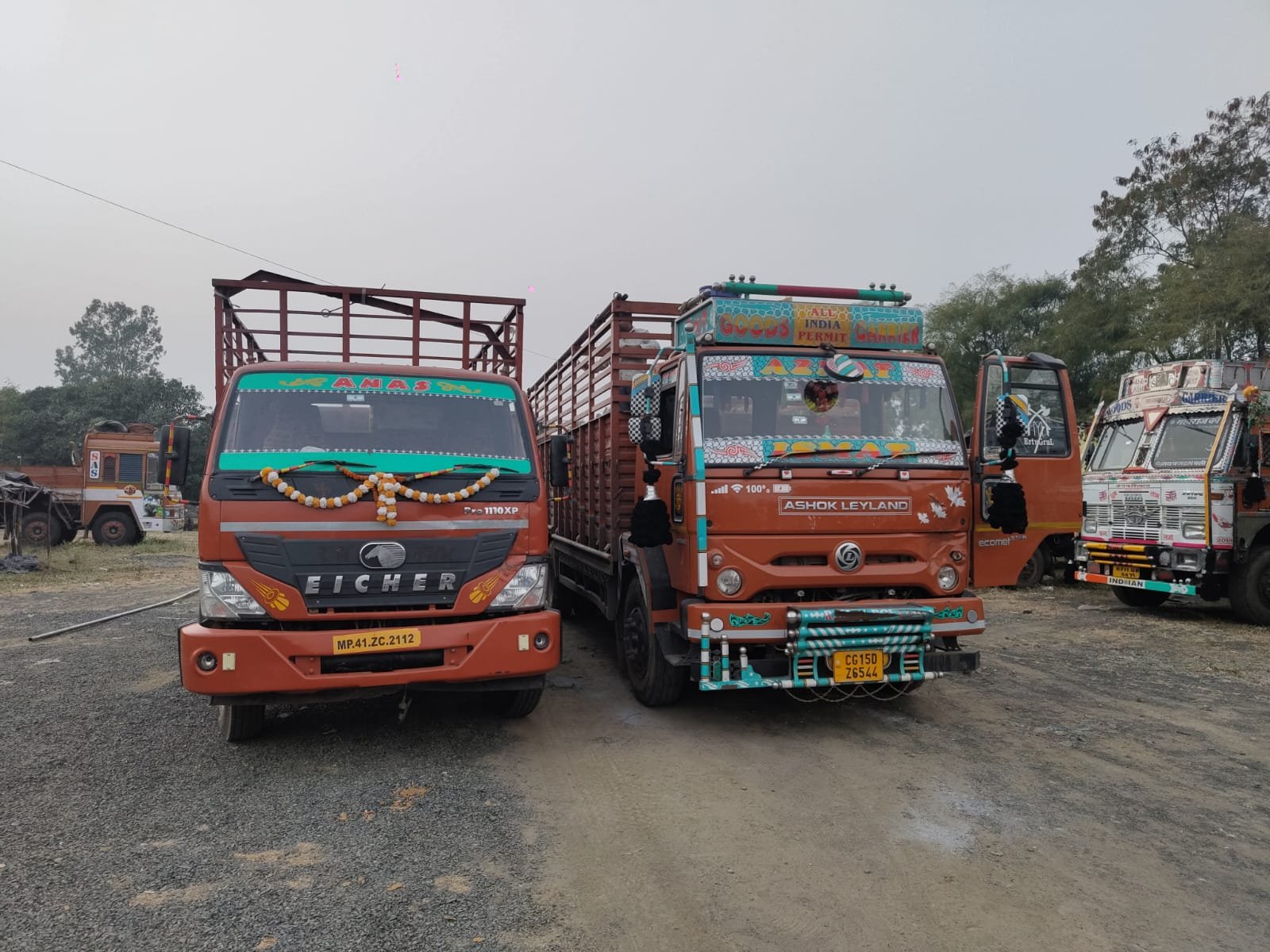
Across plants, yards, and production lines
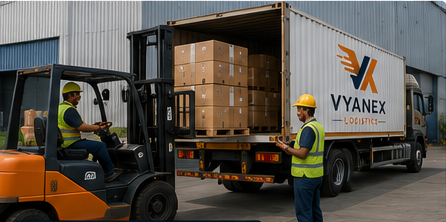
Capacity, timing, and cargo safety
Downtime is the real cost
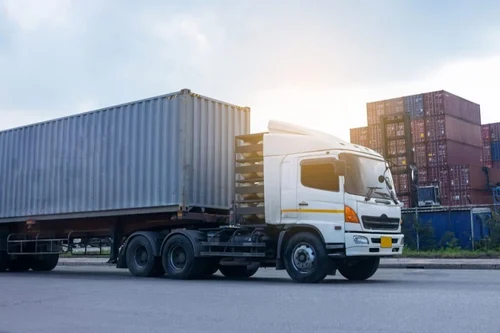
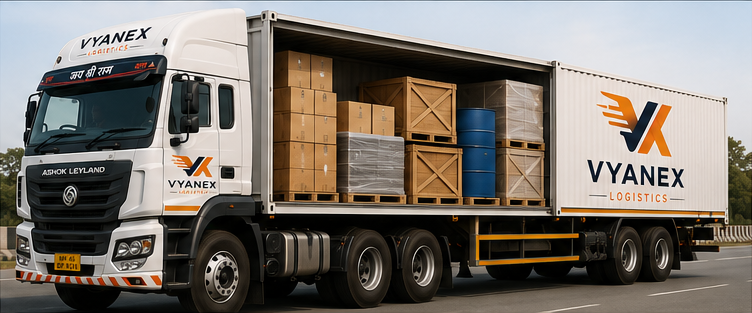
A missed dispatch window on an industrial lane rarely stays contained to one shipment — it can stall a production line, delay a build, or push a delivery commitment further down the chain. That is why manufacturing logistics is planned around the plant's schedule first, and the transport mode is chosen to fit it, not the other way round.
Vehicle and route selection is based on the cargo's dimensions, weight distribution, and any handling restrictions along the route, so the plan matches what the load actually requires.
Yes — PTL movement is commonly used for spares and smaller consignments, while FTL capacity is reserved for bulk finished-goods or raw-material runs on the same corridor.
Recurring lanes are reviewed against delivery-window performance, and branch-level coordination is used to adjust vehicle allocation before delays become a pattern.
Logistics support for industrial customers
Dedicated vehicles for raw materials, finished goods, and inter-plant movement.
Careful handling of parts, assemblies, castings, and fabricated units.
Route and vehicle selection for over-dimensional or unusually heavy cargo.
PTL and regional movements for maintenance and replacement parts.
Dispatch planning for lanes where delays affect plant schedules.
Loading guidance, cargo restraint, and fewer touchpoints for sensitive industrial goods.