Automotive & Auto Parts
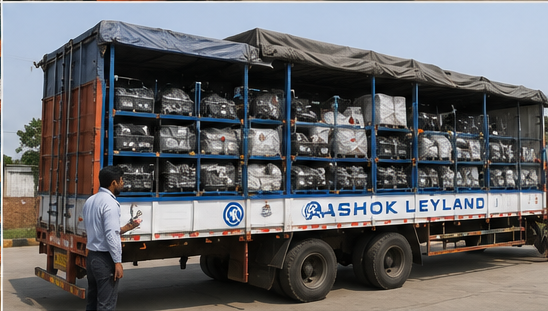
Ensures just-in-time delivery of automotive parts and finished vehicles.
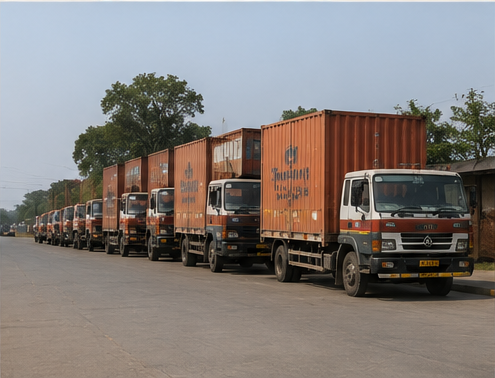
Where a late load stops the line
Automotive supply chains are engineered around timing. Assembly plants hold minimal inventory, so a component that arrives late doesn't just delay one shipment — it can halt an entire production line. The transport plan has to be as disciplined as the factory it feeds.
Vyanex supports OEMs, tier-1 and tier-2 suppliers, and aftermarket networks with inbound component movement, milk-run collection, line-side delivery windows, and spare-parts distribution to dealers across the country.
JIT and JIS movement of parts to the assembly line.
Spare-parts replenishment to dealer and service networks.
The just-in-time sequence, stage by stage
Supplier pickup
Components collected from tier-1 and tier-2 vendors on scheduled slots.
Milk-run consolidation
Multiple vendor pickups combined into one planned inbound route.
Line-side delivery
Parts arrive at the plant timed to exact receiving and sequencing windows.
Finished vehicle dispatch
Outbound movement of finished vehicles and assemblies to distribution.
Aftermarket supply
Spare-parts replenishment routed onward to dealers and service centres.
Movement across the automotive chain
Each service runs to a defined window and a defined document trail — because the plant schedule doesn't move.
Component movement timed to line-side receiving windows.
Consolidated pickup from multiple suppliers on one route.
Outbound movement of finished vehicles and assemblies.
PTL replenishment to dealers and service centres nationwide.
Reverse movement of bins, racks, and reusable containers.
E-way bills and shipment records with part-level visibility.
Automotive logistics, answered
Yes. Inbound movements are planned around plant receiving windows, with milk-run consolidation and dispatch discipline so components reach the line exactly when they're needed.
Milk-run routes consolidate pickups from multiple tier-1 and tier-2 vendors into a single planned movement, cutting both cost and inbound congestion.
Aftermarket parts are moved through PTL networks to dealers and service centres, with e-way bills and part-level shipment records maintained throughout.
Yes. Returnable packaging is scheduled on the reverse leg of inbound routes so bins, racks, and containers cycle back to vendors without a separate dedicated trip.